Book a call

For family offices

An AI team for your family office, running in your own cloud

Reactor reads your deal flow, manager letters and statements, keeps your family’s history in one private memory, and drafts the work for your team to review and send. It is the same system already at work inside ERA, Healthnix and Made On Site, and we keep it running for you.

# family-office Slack
Ana

Which capital calls are due this month?

Reactoragent

Two, both from notices in your inbox:

  • Fund III, $250,000 on the 12th
  • Growth fund, $120,000 on the 20th

I put a cash plan in a draft doc for your review and set reminders a week before each.

As presented to family officesAI for Family Offices Summit, Remarkable Ventures and StifelLatin American family office forum at Cornell Tech

The problem

A lean team carrying the work of a large one

A family office covers what a fund does with a whole staff: deal flow, managers, reporting, documents, compliance and the family’s own requests.

The week is reading and chasing

Most of it goes to reading, summarizing, following up and formatting. That is the work AI now does well.

Privacy rules out most AI tools

The family’s data cannot sit in another company’s cloud, so most offices never get past a pilot.

The best knowledge is unwritten

Why you passed, who you trust, what worked last time. It lives in a few people’s heads and needs to reach the next generation.

How we think about it

The most valuable AI asset in your office is not access to ChatGPT or Claude. Everyone has that. It is your own history.

Every deal you passed on, every manager you backed, every relationship your family built and every judgment call that never got written down. AI has three layers, and they pay off on very different clocks.

ModelsChatGPT, Claude, Gemini
1 yr
WorkflowsHow the work gets done
5 yrs
Your dataYour history and judgment
15 yrs and compounding

Models get cheaper and more alike every quarter. The workflows and your own data are what you keep. You run multi-generational capital, so build where the value lasts.

Illustration: letters, ledgers and folders at the roots of a tree of connected nodes

What it does

What Reactor does for a family office

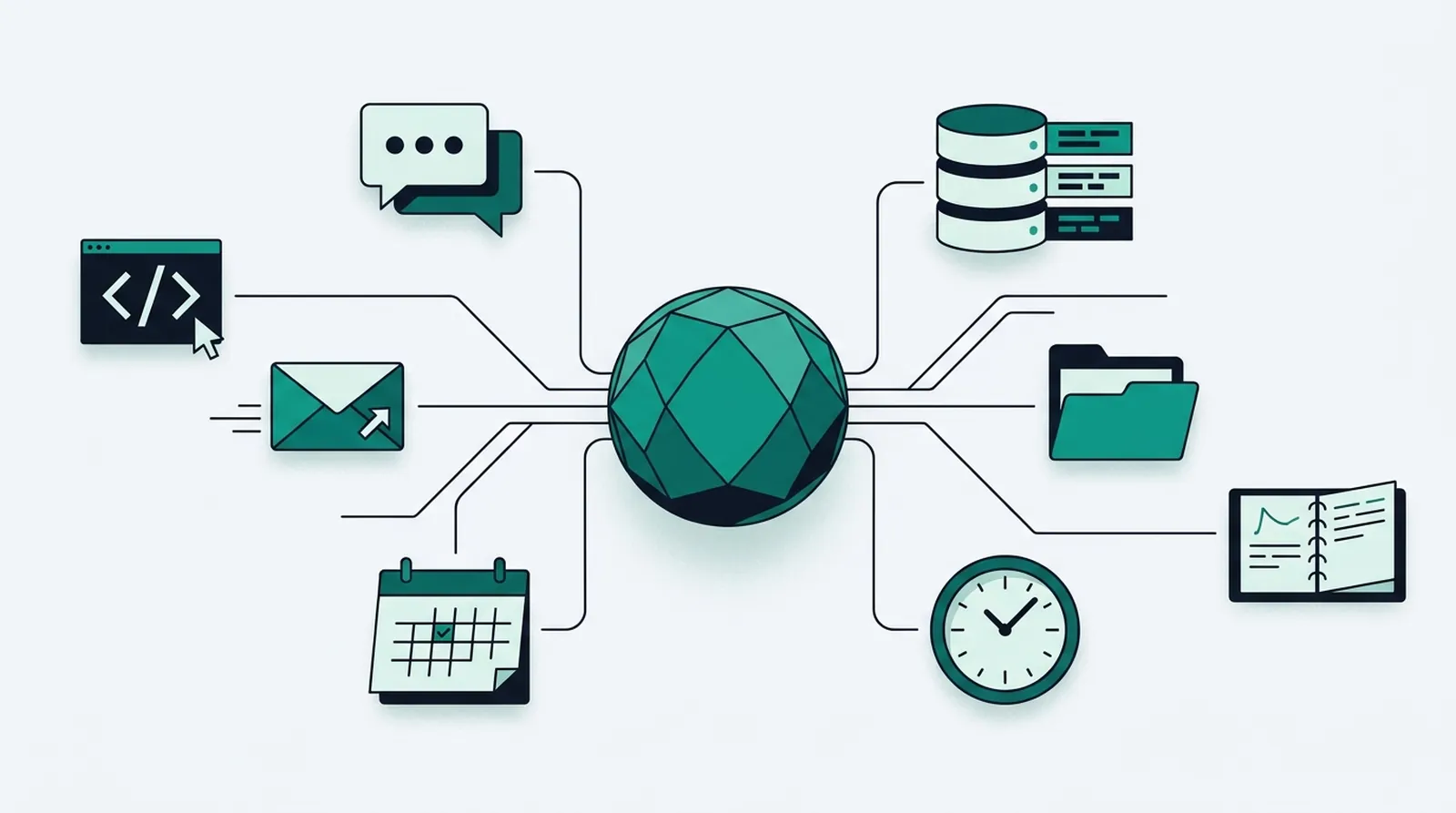
Your team writes to it like they would to an analyst. It replies with the summary, the draft or the document. It drafts, and a person sends.

Illustration: one AI agent connected to chat, email, calendar, files, databases, code and schedules

Deal flow

Reads decks and teasers that reach your inbox, checks them against your mandate and drafts a first-pass memo.

Managers and portfolio

Reads manager letters and notices in your inbox and writes up what changed. We can connect it to your tracker.

Consolidated reporting

We build the link to your custodian and bank statements, and it drafts one family report for your review.

Capital calls and documents

Tracks the capital calls, distributions and K-1s that arrive by email and reminds you before each deadline.

Research briefings

A morning brief on your holdings, sectors and watch list, with sources.

Your institutional memory

People, firms, deals and decisions in one private memory that grows as it works and answers in plain language.

Meetings and follow-ups

A brief before each meeting, and a list of what you are waiting on from whom.

Family requests

Travel, property and scheduling requests handled from a message. It drafts the replies and a person sends them.

Proof

Already running inside these companies

The same core system, set up for each business.

Within the houra first read, scorecard and research on every new applicationERA
5 → 65releases a month, with every change reviewed before it shipsHealthnix
25 hrs → 30 minof manual ERP work a weekMade On Site
$5,000 → $150monthly cloud bill, with 40 releases a month and no engineers on payrollA software company

Case studies

How they use it

ERA is the closest to a family office: a New York accelerator and venture fund with fifteen years of decisions on file.

ERA

Accelerator and venture fund, New York. 400+ startups backed since 2011.

Illustration: a stack of applications scored and matched to a network of mentors
  • Reads every application to the accelerator, scores it and researches the company within the hour, then suggests who deserves a first interview.
  • Searches the roster of 1,000+ mentors to find the right match for each founder.
  • Answers questions in Slack from fifteen years of applications, meeting notes, email and documents.

ERA introduced it on stage at its Summer 2026 Demo Day as “our AI teammate.”

“We are already seeing amazing results, cutting down our workflow times substantially.” M.A., Managing Partner

Read the ERA case study →

Healthnix

Digital health company in a HIPAA-regulated industry.

Illustration: work moving through a review checkpoint to release
  • A product agent in Slack turns ideas from the team into researched cards on the task board.
  • An engineering agent turns technical discussions into recorded decisions, and can write the code and open it for review.
  • A company brain answers questions from 23,000 meetings, emails and documents.
  • Everything runs in Healthnix’s own cloud account.

Releases went from 5 to 65 a month, and a ticket now reaches production in 35 minutes instead of 3 days.

Made On Site

Builds machines that refill soap, shampoo and lotion inside hotels.
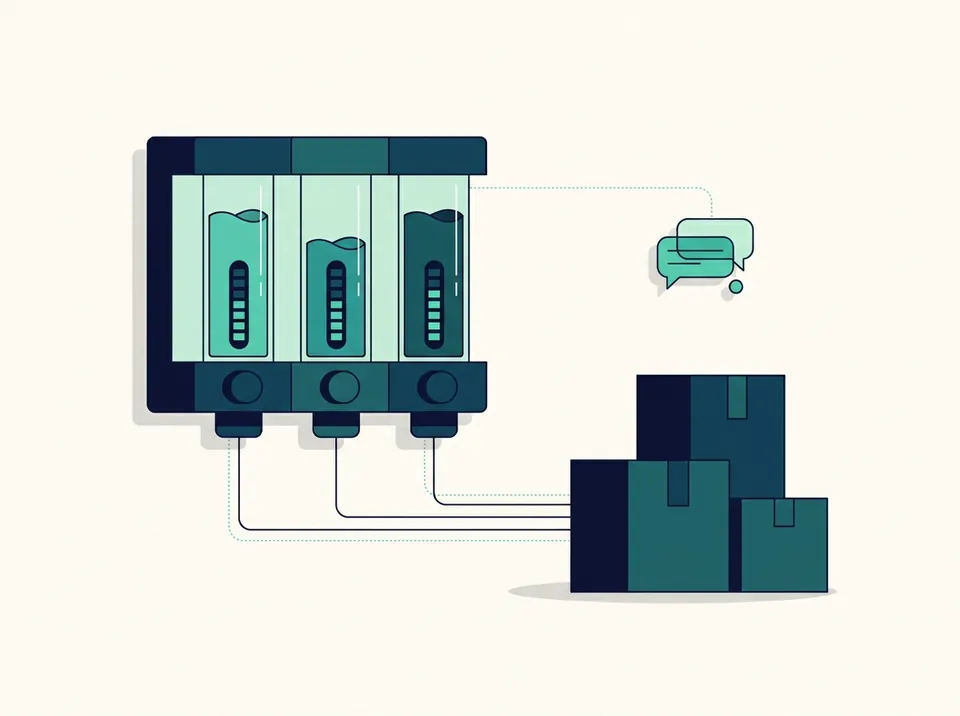
Illustration: a refill machine linked to stock boxes and a chat message
  • The team asks in Slack about stock, orders, machine status and refill levels, and gets answers straight from the ERP and the machine data.
  • It reads by default. Each action that changes the ERP is added as its own approved step, so it can never make a change nobody signed off on.
  • It writes new skills for itself as the team uses it, and we get an alert for every one.

Manual ERP work went from about 25 hours a week to 30 minutes, and an order takes 15 minutes to process instead of 2 days.

Read the Made On Site case study →

A software company

A founder running a product with no engineering department.
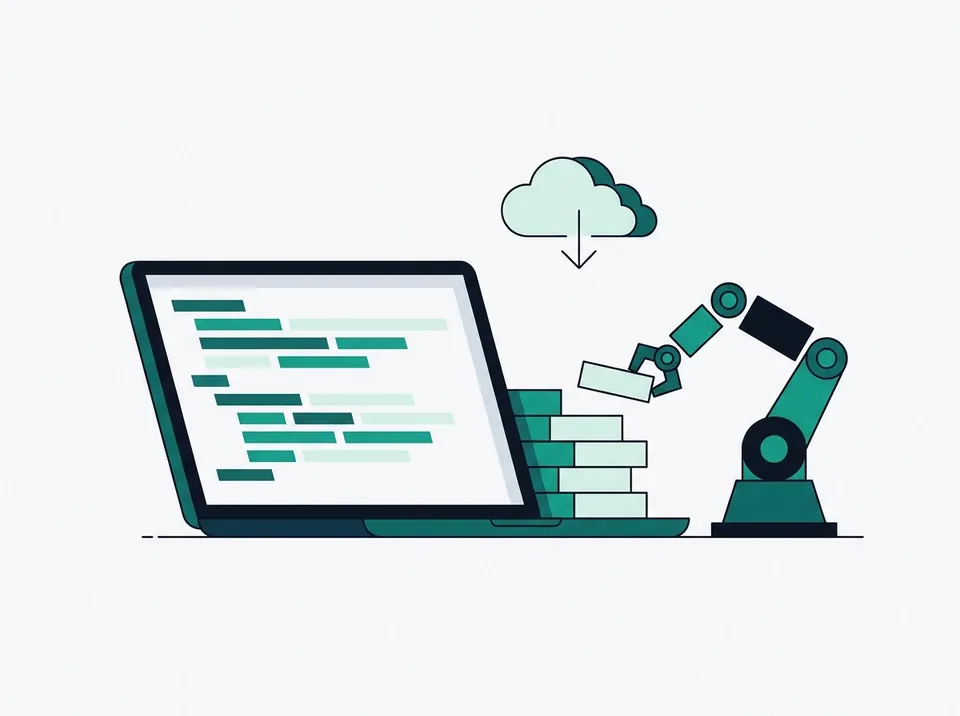
Illustration: a robot arm stacking code blocks beside a laptop, with a cloud cost arrow pointing down
  • The founder asks for features and fixes in Slack. The agent writes, tests and ships the code, and the founder reviews the results.
  • It looks after the cloud setup, watches for problems and fixes what it finds.

About 40 releases a month, a cloud bill cut from $5,000 to $150 a month, and no engineers on payroll, down from six.

Wildcard

Our own company.
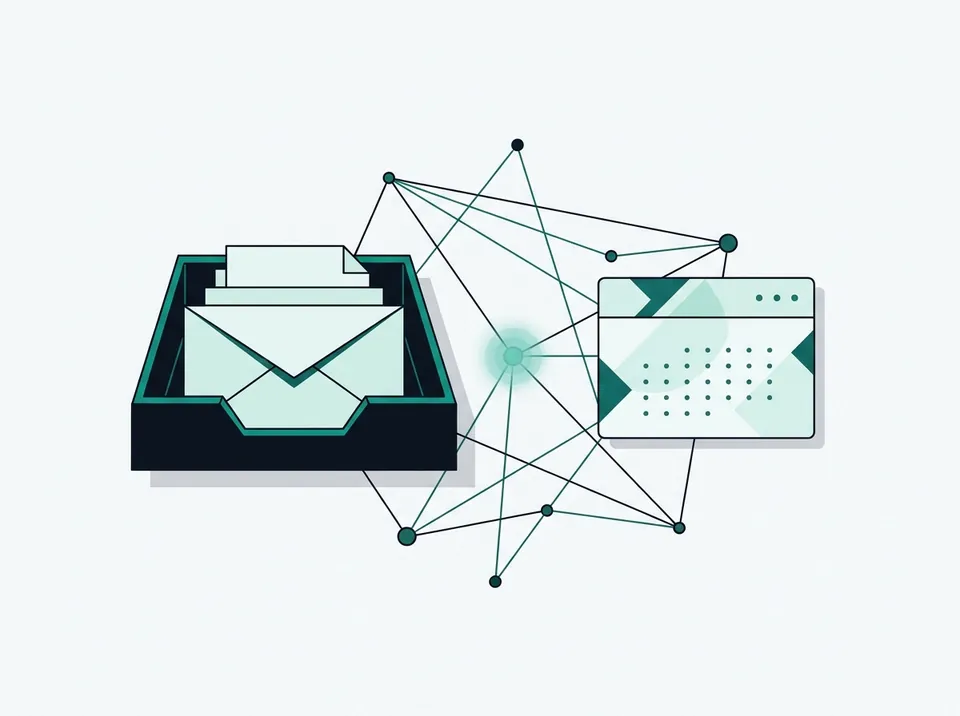
Illustration: an inbox and a calendar linked by a knowledge graph
  • Sorts the inbox across several accounts and drafts replies for a person to send.
  • Writes a brief before meetings and keeps a list of every decision waiting on the founder.
  • Keeps a memory of the people, companies and projects we work with, and runs our client projects day to day.

We built Reactor by running our own business on it first.

Security

Built for a family’s privacy

Reactor runs on a server in your own cloud account, with your own AI subscription. Your family’s data stays in your accounts.

Illustration: a server inside a protective bubble with a key and padlock

Your account, your data

Everything runs and stays in your cloud account. The server, the backups, the logs and the AI accounts are yours, and it keeps running if we part ways.

Access you control

Our access comes only from our server, is logged in your cloud account, and you can remove it any time. Only the people you choose can use the agent.

Screened input

Every outside email, search result and web page it reads is checked for hidden instructions before it acts on it.

Drafts, not actions

It drafts emails and documents. It cannot send email, make payments or sign anything.

Pick your AI

Use Claude, ChatGPT or other models, and switch per conversation. You are not tied to one vendor.

We keep it working

We watch the server, apply updates one client at a time, take hourly backups and fix what breaks.

Getting started

Thirty days and one workflow

You don’t need a transformation program. Pick one thing your office does every week, like the monthly report or meeting prep. We make it run end to end with a person checking the result, then do the next one.

Illustration: four stepping stones from a name tag to a plug, a server and a connected puzzle piece, ending at a flag
Week 1Discovery

Pick the first workflows and what the agent may do.

Week 2Setup

A few guided screens connect your accounts. We install and test.

Week 3First agent live

Your team uses it and we tune it daily.

Every monthGrow

New workflows and connections, monitoring and upgrades.

Simple commercials

A one-time setup, then a monthly retainer sized to the workflows you run.

No markup on costs

You pay your cloud and AI providers directly, on your own accounts. We don’t bill those.

For your managers

Four questions to ask any manager with an AI story

If the answer is “we get into the best deals,” that is not a strategy. That is a wish.

  1. What are you building that a competitor can’t buy?
  2. What do you do differently every week because of AI?
  3. What data are you compounding?
  4. Who inside your firm is actually building it?
Illustration: an open doorway with the agent waiting inside

Pick your first workflow

A 30-minute call. We look at how your office works and choose the one workflow worth starting with.

Book a call